
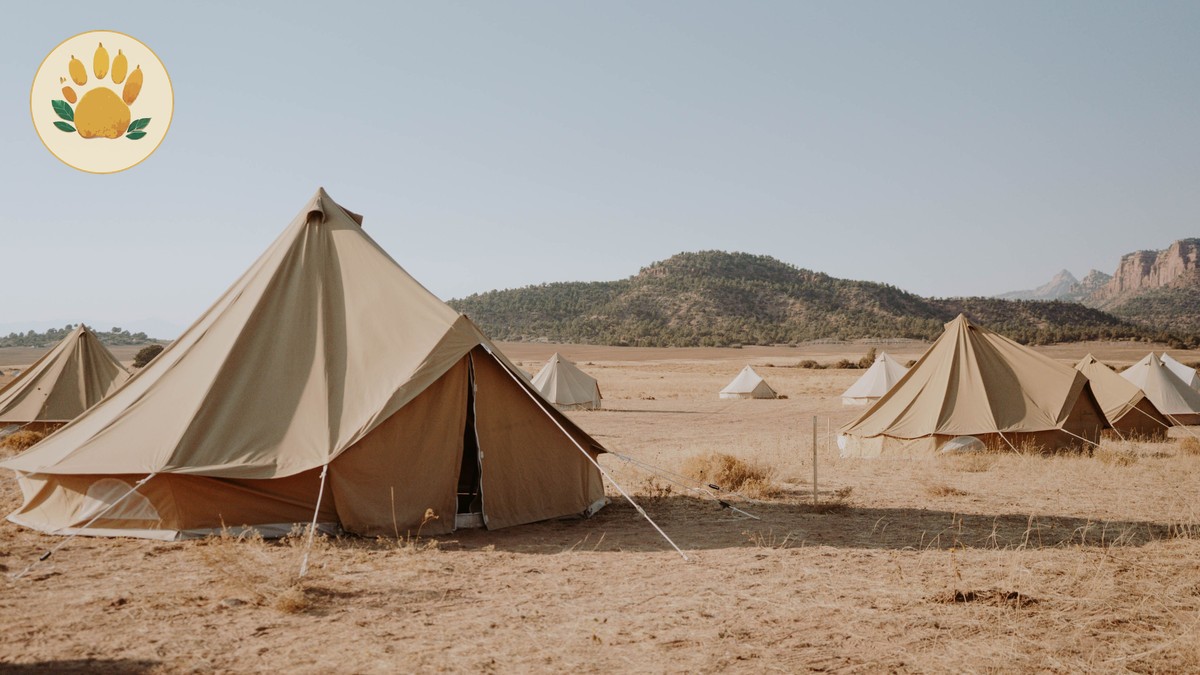
How do safari camps dispose of waste? You might ask this on the second night of a safari, when dinner is cleared and the kitchen lights go out. It is a fair question. Every meal, every shower, and every bottle of water creates waste, even in the middle of the bush.
The full answer has five parts. Camps that do this well sort rubbish at the source. They compost what they can, treat their sewage, recycle what cannot be reused, and design everything around wildlife safety. Together they form a clear picture of safari camp waste management in Kenya and beyond.
Before the methods, here is what happens to each waste stream at a responsible camp. Timelines are indicative and vary with location.
| Waste stream | Typical handling at camp | Transport or timeline |
|---|---|---|
| Food scraps | Composted in covered, animal-proof bins | On site, 2 to 6 weeks per batch |
| Paper and cardboard | Baled or bagged, stored dry | Several weeks, then regional recycling |
| Plastic and glass | Washed, sorted, and stored | Several weeks, then roughly 250 to 350 km to Nairobi |
| Sewage | Septic tank or treatment system | Treated on site, never released untreated |
| Hazardous waste | Stored in sealed containers | Specialist facility when transport allows |
1. How Do Safari Camps Dispose of Waste? Sorting and Storing Solid Waste
Most responsible safari camps separate paper, plastic, glass, metal, food scraps, and general refuse at the point of use. Staff then keep the waste in covered, wildlife-proof containers. They move it to a secure central storage area, then recycle it, compost it, or transport it to an approved disposal facility.
Walk past the kitchen of a well-run camp and you will see a row of labeled bins. Staff empty them into animal-proof waste containers before sunrise, long before baboons and hyenas finish their nightly rounds.
Camp type matters. Porini Camps in the Mara and Amboseli use strict sorting because most of their waste leaves the bush only occasionally. Mobile tented camps on the northern circuit through Samburu and Laikipia work on the same principle, but they often carry waste out with them on the final move. The best camps treat sorting as routine, not as a special event.
2. What Happens to Food Waste and Compostables
Kitchen scraps are usually composted on site or placed in covered, animal-proof composting areas rather than left in open pits. Finished compost may enrich camp gardens or staff areas, while camps without suitable composting systems store organic waste securely and remove it with the rest of the refuse.
Food waste composting works best when a camp has space and a gardener. In the Mara, where soils are deep, many lodges turn kitchen scraps into compost for herb gardens. In drier parts of Laikipia, camps rely on covered compost tumblers or simply remove organic waste with the rest of the rubbish.
The warning sign is an open pit near the kitchen. That is not composting. That is a feeding station for wildlife, and a sign the camp has skipped this step.
3. How Safari Camps Handle Sewage and Wastewater
Permanent and semi-permanent camps commonly direct toilet wastewater into septic tanks or a treatment plant. Solids and liquid are processed before controlled discharge or reuse. Greywater from kitchens and laundry is treated or filtered separately; responsible systems prevent sewage and wash water from reaching rivers or groundwater.
Safari camp sewage and greywater treatment is not glamorous. It is also the most important part of the system. A lodge beside the Talek River cannot release untreated wash water into the reeds. Proper camps use septic tanks, constructed wetlands, or packaged treatment plants that finish the job on site.
Greywater from showers and sinks is handled apart from toilets. A responsible camp filters it and reuses the treated water for irrigation. If you smell sewage near the river, that is a camp failing at this step.
4. How Camps Dispose of Plastics, Glass, Metal, and Hazardous Waste
Camps separate recyclable plastics, glass, metal, and paper, then store them securely until transport to a regional recycling center. Batteries, used oil, chemicals, and electronics require specialized handling. They should never be burned or buried. They are sent to an appropriate waste facility when logistics allow.
Safari camp recycling is possible, but it costs time and fuel. A truck leaving the Mara covers about 270 km to Nairobi. Camps in Samburu face a longer run of roughly 340 km. Camp managers therefore hold material for weeks and move it only when the load is full or when a regular supply trip is already planned.
Some lodges cut waste before it starts. Glass bottles are collected and cleaned, and a growing number of camps have started projects on how camps wash and reuse bottles. Ask your camp where its recycling goes. A good manager will name the facility without hesitating.
5. Why Wildlife-Safe Waste Disposal Matters
Secure waste storage prevents elephants, baboons, hyenas, birds, and other animals from eating packaging or becoming dependent on human food. Camps therefore cover bins, restrict access to food scraps, remove waste from the bush, and avoid open burning or dumping that could pollute soil and water.
This is the method that holds the others together. A baboon that learns to raid a bin becomes a problem camps must solve. Worse, the baboon now associates humans with food. An elephant that finds vegetable peel in a compost heap can flatten the fence around it.
Good camps design waste storage like a vault. Heavy lids, sealed doors, and placement away from guest tents. They also burn almost nothing. In remote areas without recycling options, paper is sometimes burned in a controlled incinerator, but plastics, batteries, and chemicals never reach a fire.
SafariPure lists the waste policy of every camp we recommend in your pre-trip notes. We check these systems when we visit, because a camp that treats its rubbish well usually treats its guests well.
The Next Step
Book a camp that lets you see its waste area. Send one short question to the manager before you confirm: “May we see your waste storage?”
If you would rather trust a team that has already asked that question at every camp it recommends, SafariPure builds safaris around that standard. Tell us which season you have in mind, and we will send a shortlist of camps that follow these five methods. Start the conversation on the contact page. While you plan, our note on what to pack for a Kenya safari includes the reusable basics that reduce waste before you arrive.